On this page
Key takeaways
- JOBO gives free entry to in-house programming at seven Madrid Destino venues; the Ayuntamiento says it will raise the age ceiling from 26 to 30 starting the 2026-27 season, but the public programme page still describes ages 16–26 as checked on 18 October; the operational eligibility needs confirmation.
- A passport or TIE alongside a padrón certificate may be accepted for registration, but that comes from a formal terms document that looks out of date — confirm directly with Madrid Destino before relying on it.
- It only works Monday to Friday, one ticket per show, and only for up to 25% of a venue's seats — plan around a real, capped programme, not unlimited free culture.
What's Changing
If you moved to Madrid in your late twenties, you've probably never looked twice at JOBO — the Ayuntamiento's free-culture programme for young residents tops out at 26, which rules out plenty of working expats before they've even heard of it. That's set to change: the city says it will raise the ceiling to 30 starting the 2026-27 season. It's worth a few minutes of your Sunday to understand what that will get you, because it's more specific — and more limited — than "free tickets to everything," and a few details of how it will actually work aren't confirmed yet.
What JOBO Actually Gets You
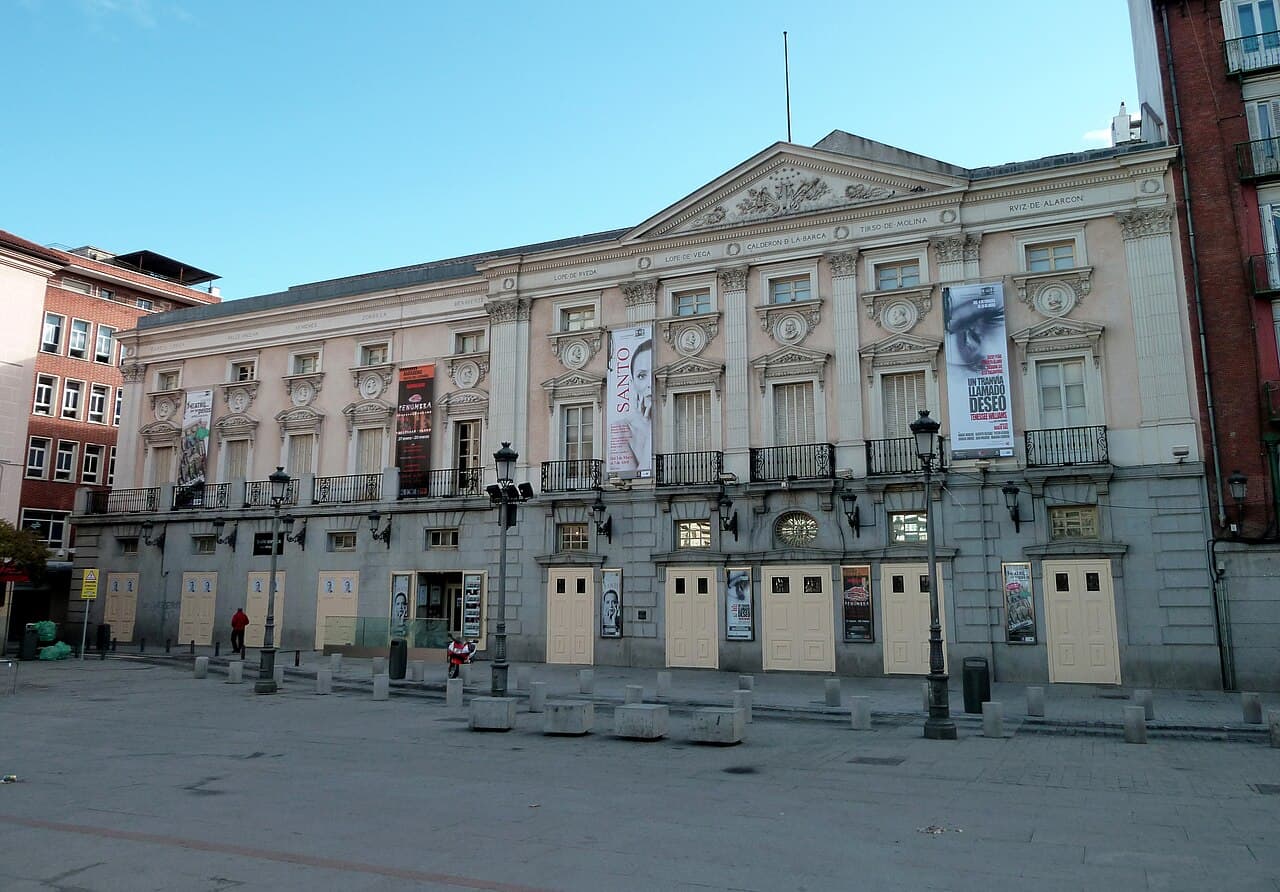
JOBO (Joven Bono Cultural) is a Madrid Destino programme that gives registered users free entry to the in-house programming at seven municipal cultural venues: Nave 10 Matadero, Centro Danza Matadero, Teatro Español, Fernán Gómez–Centro Cultural de la Villa, Centro de Cultura Contemporánea Condeduque, Teatro Circo Price, and Cineteca Madrid. The Ayuntamiento says it has issued more than 300,000 tickets through the programme since it launched — this isn't an obscure pilot, it's an established scheme that many older newcomers never encounter.
The expansion was announced by Cultura, Turismo y Deporte delegate Marta Rivera de la Cruz on July 10: the top age will rise from 26 to 30 starting the 2026-27 season, though the Ayuntamiento hasn't published an exact activation date. The Ayuntamiento's own JOBO page hasn't caught up — its introductory summary still describes the programme as covering ages 16 to 26 across six venues, even though the same page's own programming section, further down, already lists all seven, Centro Danza Matadero included. That's internally inconsistent, stale copy on the city's own site rather than confirmation that anything about eligibility has changed yet. If you're 27 to 30, don't register today assuming the new age range is live — nothing published so far confirms that it is.
These aren't fringe spaces. Teatro Español, on Plaza de Santa Ana, is one of the city's oldest working stages and runs a serious drama season. Condeduque is the closest thing Madrid has to a contemporary arts complex — exhibitions, talks, and live music inside a former army barracks in the Palacio de Liria area. Nave 10 and Centro Danza Matadero, in the converted slaughterhouse complex beside Madrid Río, along the Manzanares, are where the city puts its more experimental theatre and dance. Cineteca, in the same complex, is arthouse and documentary cinema you won't find at a multiplex. Teatro Circo Price does contemporary circus, which is a stranger and better night out than it sounds. None of this is filler programming padded out to make a subsidy look generous — it includes genuine parts of the venues' main programmes.
Who Qualifies, and the Catch on "Free"
Right now, the requirement is being 16 to 26 inclusive on the date you apply. The Ayuntamiento says that ceiling will rise to 30 for the 2026-27 season, but until it confirms an activation date and updates its own registration terms, 26 is the real cutoff. There is no announced income test. The expansion announcement does not address nationality or document requirements, and the current registration instructions ask for a DNI; the position for residents using a passport or TIE remains unconfirmed. But "free" comes with real structural limits that apply either way: JOBO only covers a venue's own programming, not third-party or otherwise non-participating events staged in the same buildings, and only Monday to Friday — weekends and public holidays are excluded entirely. Each user gets one ticket per show, one event per day, and JOBO seats are capped at a maximum of 25% of a venue's capacity per performance. Popular shows may sell out their JOBO allocation before they sell out the room.
How Registration Currently Works — And What's Not Confirmed
Registration happens two ways: online through Madrid Destino's ticketing account system, or in person at the Centro de Turismo (Casa de la Panadería) on Plaza Mayor, Tuesday to Sunday, 10:30–14:30 and 16:30–20:00 (closed Mondays). The Ayuntamiento's live registration instructions ask for a DNI upload and don't mention an alternative.
A separate document — the programme's formal Condiciones Generales — states that acceptable ID includes a DNI, a passport, or a tarjeta de residente, meaning a TIE would count, and that a padrón certificate for the municipio of Madrid is also required. That would be genuinely useful for non-Spanish residents to know. The catch: that document's own stated validity period ended on 31 December 2018, it describes an older six-venue structure, and it references a since-retired registration domain — all signs it hasn't been kept current. Madrid Destino's currently published information does not confirm whether the passport/TIE and padrón terms still reflect current policy. Don't treat this as settled: if the online form doesn't clearly offer a way to upload a passport or TIE, contact Madrid Destino directly or ask at Casa de la Panadería before making a trip, rather than assuming staff there can register you on the spot.
That same document describes approval arriving within one working day once documentation is verified — plausible, but we can't confirm that turnaround is still accurate either. Once approved, you log into your account, browse JOBO-eligible programming, and download tickets from ten days before each show. Read the fine print before you book: tickets are personal, non-transferable, and cannot be changed, returned, or cancelled once issued — worth factoring in given the 25% capacity cap above, and the city's own stated interest in cutting down on unused reservations.
Practical Takeaways
The age change isn't live yet — today's real cutoff is 26, and the Ayuntamiento hasn't said exactly when in the 2026-27 season the new 16-to-30 range takes effect. If you're 27 to 30, watch the Ayuntamiento's JOBO page and Madrid Destino's ticketing site rather than assuming you already qualify. On registration for non-Spanish residents: a passport or TIE plus a padrón certificate may be accepted alongside a DNI, but that comes from a formal terms document that looks out of date, so confirm directly with Madrid Destino, or ask in person at Casa de la Panadería, before relying on it. Treat JOBO as a genuinely good weekday habit rather than a replacement for weekend plans — the exclusions on Saturdays, Sundays, and holidays, plus the 25% seat cap, mean the shows you actually want to see may sell out their JOBO allocation before the box office does.
Main tradeoffs
- JOBO is genuinely free and covers respected venues, but weekend and holiday shows are excluded entirely, and the age expansion to 30 isn't active yet — today's real cutoff is still 26.
Sources
- El Ayuntamiento amplía el bono cultural JOBO hasta los 30 años para acceder gratuitamente a la programación de los espacios municipales / Ayuntamiento de Madrid
- JOBO. Joven Bono Cultural / Ayuntamiento de Madrid
- Condiciones Generales de Uso, Bono Joven Cultural (JOBO) / Madrid Destino
- Madrid amplía el bono cultural JOBO hasta los 30 años para acceder gratis a teatros, conciertos y cine / El Diario de Madrid
Spotted an outdated detail? Send the desk a correction.