On this page
Key takeaways
- Madrid's Extranjería appointments run on two separate systems: one for filing applications at an Oficina de Extranjería (Delegación del Gobierno), and a different one for fingerprinting and TIE card collection at the Cuerpo Nacional de Policía. Booking the wrong one wastes a slot.
- The government doesn't publish an official schedule for when new appointment slots are released. Widely reported patterns — more availability around midnight on Mondays and weekday early mornings — come from private appointment-tracking services and immigration lawyers, not from an official source, and should be treated as informal, not guaranteed.
- Setting up DEHú (the government's single electronic notification portal) doesn't automatically switch your open Extranjería file to electronic notification — you have to request that switch directly with the office handling your case.
Two Different Systems, Not One
You open the appointment portal at 8:59, refresh at 9:00, and by 9:01 every slot in Madrid is gone. Most people's first instinct is to blame the refresh timing. The more useful thing to understand first is that Madrid's Extranjería (immigration office) appointments are not one queue — they are two entirely separate booking systems, and picking the wrong one is a common way to waste a morning.
The Sede Electrónica's own cita previa page splits the two apart explicitly. Appointments to file an application — a new residence authorisation, a work permit, a family reunification request — go through the Oficinas de Extranjería, which are run by the Delegación del Gobierno in Madrid. Appointments for fingerprinting and collecting your physical TIE (Tarjeta de Identidad de Extranjero, the residence card issued to non-EU nationals) go through the Cuerpo Nacional de Policía instead, a different agency with its own booking calendar. An NIE (Número de Identidad de Extranjero, the tax and ID number every foreign resident is assigned) doesn't require its own physical card, but the paperwork trail around it often still funnels through one of these two tracks depending on what you're actually requesting — if the acronyms themselves are the confusing part, our NIE vs TIE vs padrón guide sorts out which document does what. If a slot search keeps coming up empty, the first thing worth checking isn't the clock — it's whether you're searching the right system for what you actually need.
Where You're Actually Being Sent
For filing applications, Madrid's Oficinas de Extranjería are spread across a handful of addresses in the city — Calle Silva and Calle García de Paredes are two of the better-known ones. Which office handles your specific procedure isn't something you choose freely; the booking system generally assigns it based on the type of application.
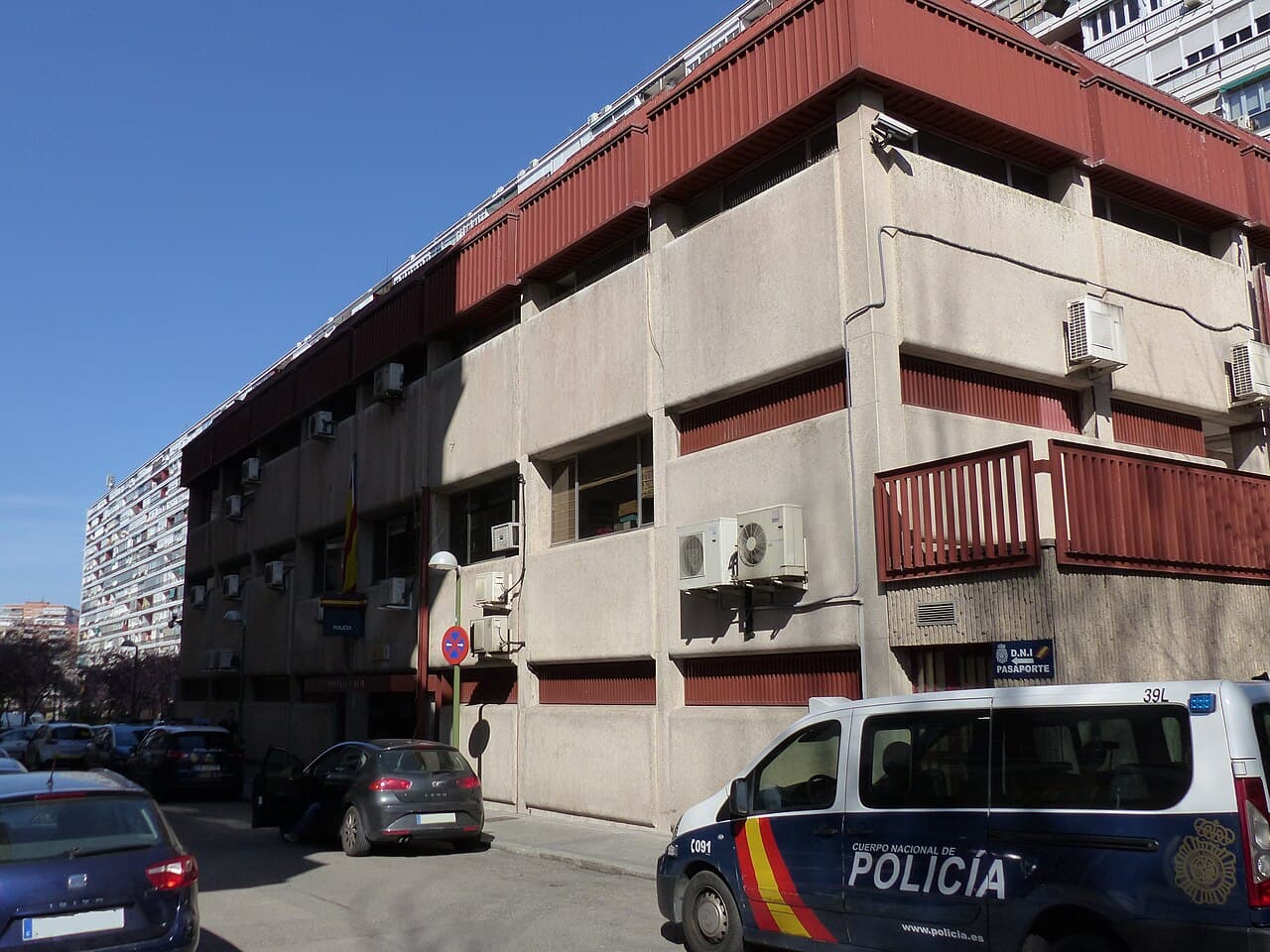
For fingerprinting and TIE collection, the main Madrid office is the Brigada Provincial de Extranjería y Fronteras, in Madrid's Aluche area (Metro Línea 5), listed by the Ayuntamiento de Madrid at Avenida de los Poblados. A few private booking guides use a different street name — Avenida Padre Piquer — for what appears to be the same office in the same neighbourhood. Either way, trust your own booking confirmation over any address in this article or elsewhere online — the PDF or email the system sends you states the exact office, floor, and time slot, and that's the one document written specifically for your appointment.
Nobody Publishes When New Slots Appear
There is no official schedule for when the system releases new appointments. That said, the pattern reported consistently — by private appointment-monitoring services, immigration lawyers' blogs, and informal forums — is that more slots tend to surface around midnight at the start of the week, and again in short windows during weekday early mornings. None of this comes from the Ministry itself, so treat it as informal, crowd-sourced observation rather than a guarantee. If you're checking manually, showing up at those windows with your paperwork already prepared costs nothing and matches what people consistently report seeing.
The booking flow for the police track sometimes shows a "cualquier oficina" (any office) option that spans multiple police stations across the province of Madrid, rather than just the one nearest you — which can occasionally surface an appointment in a comisaría in Alcalá de Henares, Getafe, Torrejón de Ardoz, or Alcobendas well before one opens closer to the centre. This isn't spelled out as an official rule anywhere in the ministry's own instructions, so the honest advice is: open the booking flow yourself and look for that option, rather than assuming it will be there. If it is, and you can reasonably get to one of those towns, it's a real way to move faster.
Don't Let a Postal Delay Decide Your Deadline
If your Extranjería file is set to receive notifications by post, a slow or missing letter can quietly eat into a response deadline you didn't know was running. The government's DEHú (Dirección Electrónica Habilitada única) portal lets you receive official notifications electronically instead, with the same legal standing as a certified letter. It's a genuine hedge worth setting up regardless of appointment troubles — especially with CGT's Correos strike call still running in Madrid through September 30 (see our separate piece on what that strike call could and couldn't delay).
One catch: creating a DEHú account doesn't automatically switch an already-open file to electronic notification. You have to request that switch directly with the specific office handling your case — logging in on its own changes nothing.
The Backlog Behind the Backlog
Spain's extraordinary regularisation process ran from April 16 to June 30, 2026, with no extension. It's reasonable context for why Extranjería offices generally have been under sustained pressure this year — our Extranjería processing-times explainer covers that backlog in more detail — but Madrid's Oficina de Extranjería was one of only five offices nationally designated to process regularisation requests, and those requests were handled through their own afternoon appointment windows — separate from the everyday NIE/TIE cita previa system most residents use. It would be an overreach to say regularisation caseload is the reason your renewal appointment vanished in seconds; it's contributing background pressure on a system that was already tight, not a confirmed direct cause.
What This Doesn't Fix
None of the above guarantees you a fast appointment. Private services that monitor the booking system around the clock and alert you by WhatsApp when a slot opens do exist, and by several accounts can shave real time off the wait — but they charge a fee and aren't part of any official government channel, so treat them as a paid convenience, not a substitute for the system working properly.
Practical Notes
Before you start searching: confirm which of the two systems your procedure actually needs — filing an application (Oficina de Extranjería) or fingerprinting and card collection (Cuerpo Nacional de Policía) — since they're booked separately and have separate calendars.
Have your documents ready and open the booking portal around the start of the week, including late evening or midnight, since that's when reported availability tends to be highest — though this pattern isn't officially confirmed.
Look for a "cualquier oficina" option in the police-track booking flow; if it appears, appointments in Alcalá de Henares, Getafe, Torrejón de Ardoz, or Alcobendas may open up sooner than ones closer to central Madrid.
Set up a DEHú account now, before you need it, and if you have an open Extranjería file, contact the office directly to request electronic notification — don't assume the DEHú account alone makes the switch.
Trust your own booking confirmation over any office address found in a search, including the ones named here — offices get renamed and relocated, and the confirmation document is the one source that's specific to your appointment.
If your plans change, know the system's limits before you book: it doesn't let you reschedule an existing appointment to a new date or time. The only option is to cancel it — using just your NIE or passport number and the reference code from your confirmation — and search again from scratch. Cancelling is final; there's no way to undo it or hold your old slot while you look for a better one, so don't cancel until you're ready to immediately search for a replacement.
Main tradeoffs
- The booking system sometimes offers a 'cualquier oficina' (any office) option covering multiple locations across the province, which can open up appointments outside central Madrid — but this isn't documented as an official rule in the ministry's own instructions, so treat it as something to look for in the booking flow yourself, not a guarantee.
- None of this fixes genuine scarcity. Private appointment-monitoring services can shorten the wait, but they charge a fee and aren't an official government channel.
Sources
- Cita previa de extranjería / Sede Electrónica, Administraciones Públicas (Gobierno de España) — Unavailable during the 2026-10-18 access check (HTTP 403); this is an access result, not a factual verdict.
- Brigada Provincial de Extranjería y Fronteras de Madrid — direcciones y teléfonos / Ayuntamiento de Madrid — Unavailable during the 2026-10-18 access check (HTTP 404); this is an access result, not a factual verdict.
- Documentación de las personas extranjeras: NIE / Ministerio del Interior
- Tarjeta de Identidad de Extranjero (TIE) / Ministerio del Interior
- Extranjería — Tarjeta inicial o renovación residencia o residencia y trabajo / Sede Electrónica de la Policía Nacional
- Dirección Electrónica Habilitada única (DEHú) / Gobierno de España — Unavailable during the 2026-10-18 access check (HTTP 403); this is an access result, not a factual verdict.
- Proceso de regularización migratoria extraordinaria: plazos y requisitos / La Moncloa
Spotted an outdated detail? Send the desk a correction.