What this means for you
- Who is affected
- People affected by the Urda train crash and Madrid residents who wish to help.
- What changes
- Spain declared mourning from 29 to 31 October and authorities opened family information lines.
- What to do next
- Use the official family information line or check donation locations and eligibility before travelling.
On this page
Key takeaways
- Official national mourning runs from 29 to 31 October.
- Madrid's transfusion service asks donors to come gradually.
Spain is observing three days of official mourning from 29 to 31 October in memory of the lives lost in the Urda train crash. The national flag flies at half-mast on public buildings during that period. The official decree does not itself cancel every public event; check with organisers for local changes.
After the train crash in Urda, Toledo, Madrid residents responded in large numbers to the call to donate blood. On 29 October, the regional government said more than 6,000 people had attended donation points and asked prospective donors to come gradually, helping maintain supplies over the days ahead.
If you are looking for someone
Castilla-La Mancha's emergency service opened 900 122 112 for relatives and friends seeking information about people potentially affected. Renfe also lists 900 10 10 20 for victims and families, and says family assistance centres were established in Madrid, Córdoba and Seville, with psychological support. These notices were issued after the accident; check the emergency service or Renfe for updates before travelling.
Find a donation point
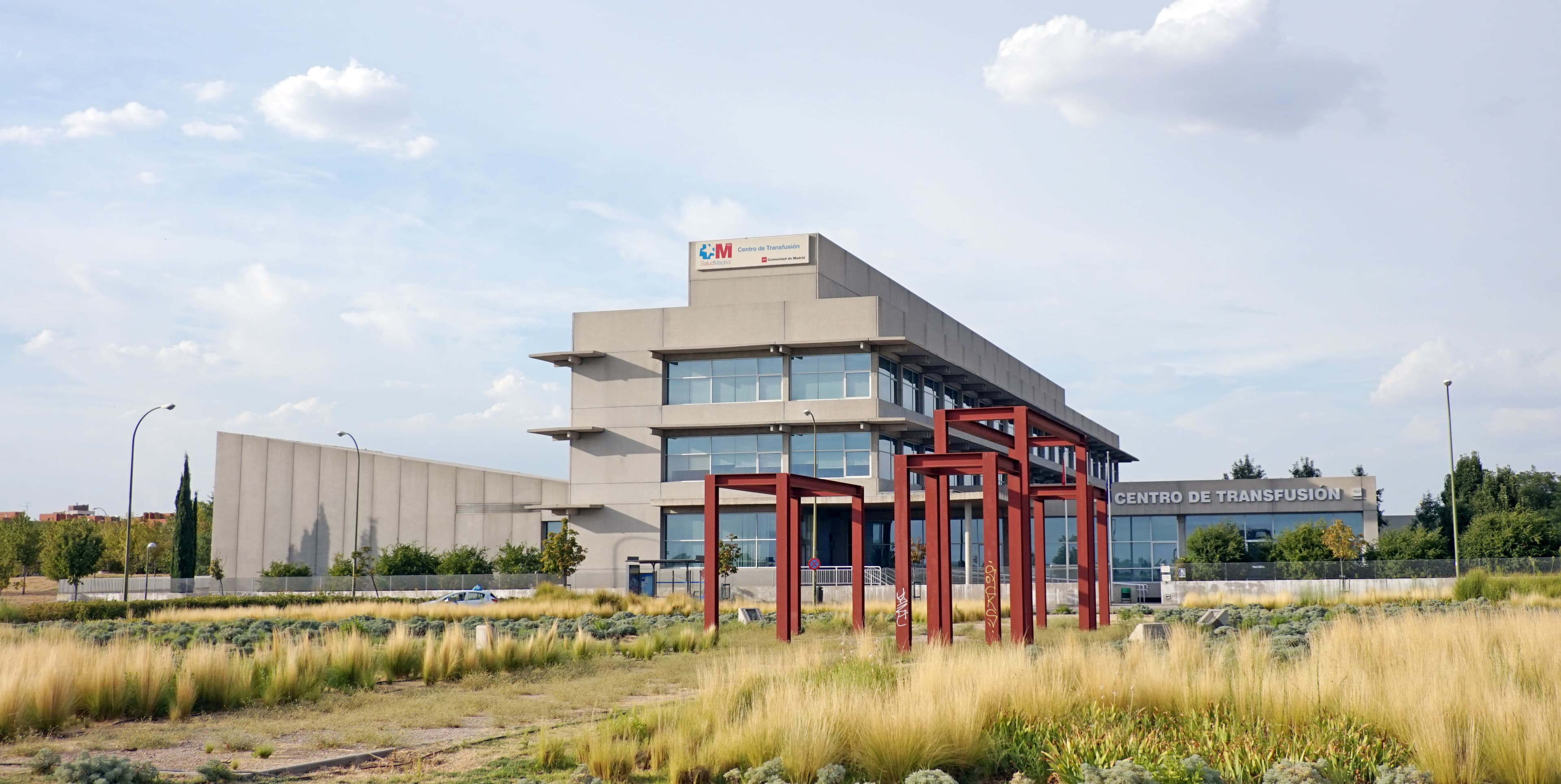
Madrid’s network includes hospital donation rooms, the regional Transfusion Centre in Valdebernardo and mobile units. Use the Comunidad de Madrid’s donation page to check the location and current hours of the centre you choose before leaving; holiday opening times may differ.
The Transfusion Centre lists opening hours of 08:30–21:30 Monday to Saturday, except public holidays, and 08:30–14:00 on Sundays and public holidays. It is near Valdebernardo metro station, line 9. Check the official page for changes.
Identification and travel history
You do not need a Spanish passport to offer to donate. Hospital La Paz lists a passport, NIE documentation and other official identification; Hospital Clínico San Carlos lists a passport or residence card. Bring your passport if unsure. The hospital pages do not explicitly confirm whether an EU national identity card alone is accepted, so check with your chosen centre. A NIE is an identification number; bring an accepted identity document rather than relying on the number alone.
Tell the team where you have lived and travelled. La Paz says travel outside the EU can require a wait of at least 28 days, potentially longer depending on the destination. Clinicians assess individual circumstances; ask the centre before visiting if unsure.
Before you go
The regional service says donors should be in good health and weigh more than 50 kg. First-time donors can donate up to age 60; its full age rules include provisions for returning donors and medical authorisation. Staff assess individual eligibility.
Eat something before donating: the regional service advises against arriving fasting. If you have questions about eligibility, medication or recent illness, contact the donation service rather than assuming you cannot give.
Follow the latest advice
Blood stocks and opening hours can change. Check the regional donation page for current needs rather than relying on an older list of blood groups. A donation supports the blood supply for patients who need it; it cannot be assigned to a particular person through this guide.
The official sources checked do not identify a public appeal for money or unregistered volunteers. For updated requests, follow Madrid's emergency information and the relevant authorities.
Sources
Facts checked 2026-10-30.
- Official mourning decree / Boletín Oficial del Estado
- Emergency information for families / Castilla-La Mancha emergency service
- Renfe statement and family assistance / Renfe
- Madrid blood donation locations and eligibility / Comunidad de Madrid
- Donor identification and eligibility / Hospital La Paz
Spotted an outdated detail? Send the desk a correction.